The State of the Rhino Report compiles data from rhino range states across the globe, presenting an overarching view of the rhino situation. Created yearly by the International Rhino Foundation, this report is a hugely useful resource for global rhino conservation, giving greater insight into global conservation successes and the risks still faced by rhinos.
This year’s report held mixed tidings for the five species of rhino, with some showing encouraging signs for future recovery, while others are struggling to overcome threats including poaching and habitat loss.
Key Points:
- The global rhino population is estimated to be around 26,700, a slight decrease on recent years. These numbers are still a fraction of historic populations, with around 500,000 rhinos roaming the planet in the early 20th century. A sobering reminder of how much we have lost.
- Rhino poaching decreased slightly, however not all range states declare poaching statistics.
African Rhino Species:
- Combined the two African rhino species total around 22,542 individuals.
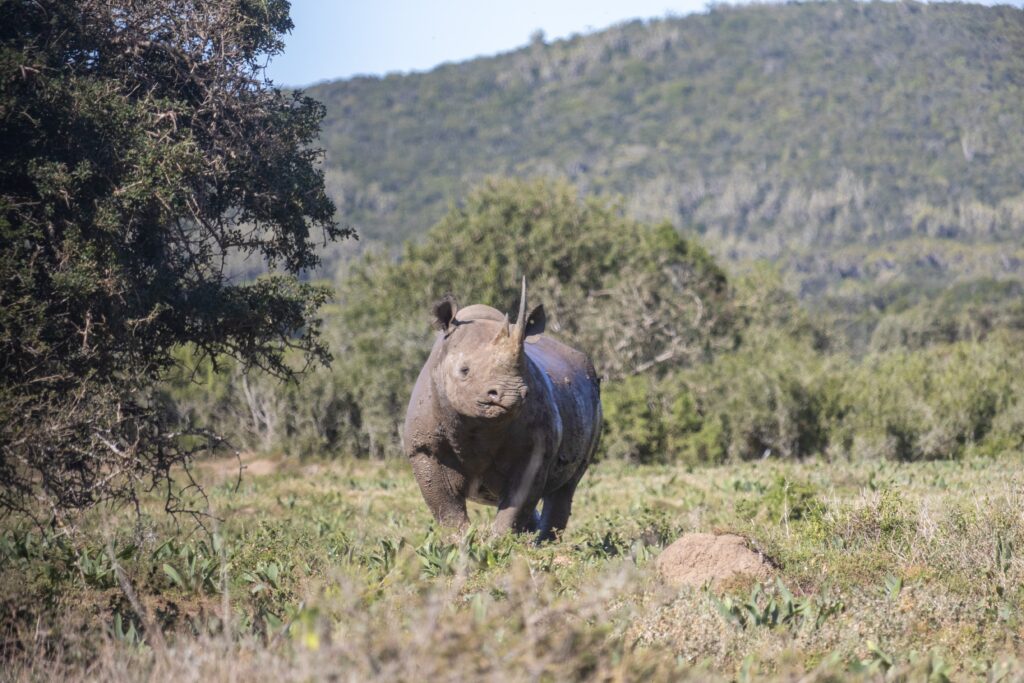
- The critically endangered black rhino has increased in number in recent years, now totalling around 6788
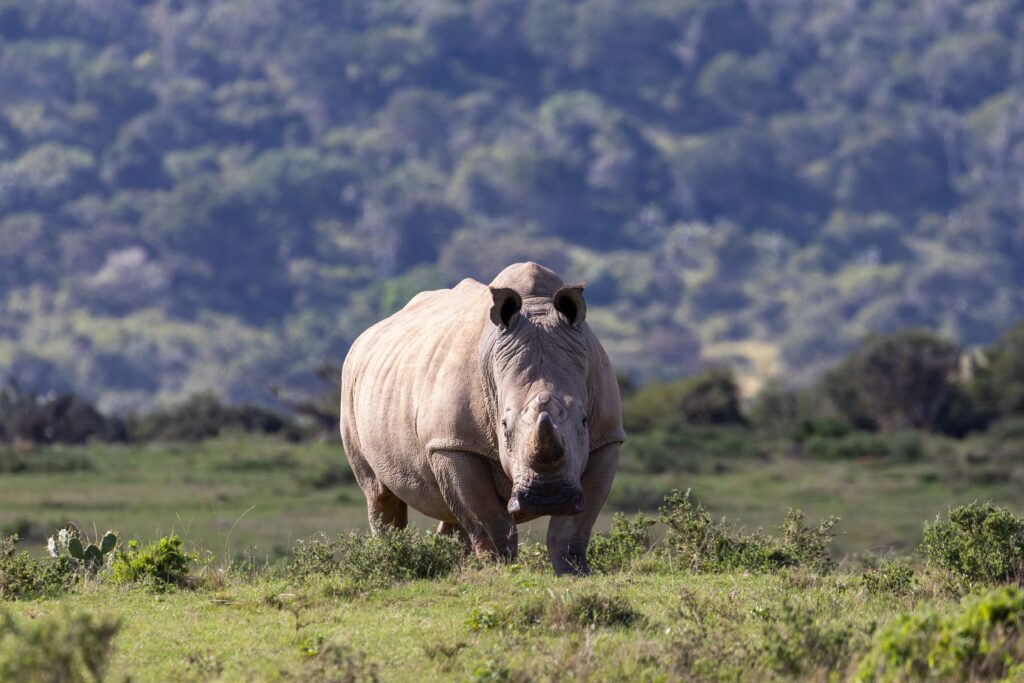
- While the white rhino, which is classed as near threatened, has seen a downward trend over reason years, currently totalling 15,752 individuals.
Asian Rhino Species:
- The Javan and Sumatran species are both classified as critically endangered, with just 50 Javan and 34-47 Sumatran rhinos thought to exist.
- Javan rhinos have suffered heavy poaching losses in recent years, but there is encouraging news as new calves have been seen on camera trap footage, confirming that they are still breeding successfully in the wild.
- The Sumatran rhino’s numbers have stagnated for the last few years, with fears growing for their future due to low reproduction combined with limited habitat and the threat of natural disaster.
- The population of greater one horned rhino has increased, with 4075 individuals across it’s home ranges. While poaching is still a threat two key range areas recorded zero poaching incidents in 2025 – the country of Nepal had no poaching, while the Indian State of Assam, home to 80% of the world’s greater one-horned rhinos also celebrated zero losses to poaching.
A closer look:
The key takeaways for the two African species are in fairly stark contrast to one another. The more numerous white rhino is facing a period of increased risk, with continued poaching pressure leading to population losses. A number of high-profile arrests and strong sentences for poaching related crimes in 2025 are encouraging from a legal standpoint, but ongoing legal battles in South Africa surrounding the export of farmed rhino horn could muddy the waters.
Meanwhile the number of black rhinos has increased significantly across the continent, to the point where traditional black rhino habitats are becoming overcrowded. This increase in numbers has allowed for several highly successful translocations across the continent, to both bolster genetic diversity and establish populations in regions which have been without rhinos for decades. These translocations have been so successful that the IUCN has projected that should efforts continue in this vein we could see black rhino numbers climb to 8943 by 2032.
The report goes on to highlight not only the importance of these translocations, but also the circumstances needed for their success. Finding new land for rhinos is one thing, but it is essential that this land is effectively protected, and ecologically healthy.
Conclusions:
The decline in numbers of southern white rhino is obviously of great concern, highlighting that though habitat loss is now considered the greatest threat to rhinos, we cannot reduce our anti-poaching efforts. Our support for anti-poaching units continues across the continent, both on the ground and in the air through our Eyes in the Sky programme. While we continue to support the only dedicated rhino rescue and rehabilitation facility in KwaZulu-Natal.
Yet in the same breath it is vital that we acknowledge and celebrate the successful work being done to increase the number of black rhinos. In recent years we have been proud to be part of historic rhino translocations and seen a number of our partner projects act as feeder populations as rhinos are moved on to establish new territories. All while expanding the footprint of key black rhino habitat across Africa.
As ever these reports can be sobering as they highlight just how much more there is to do to ensure a secure future for rhinos. But they also act as great markers of success, confirming that we do have the tools to succeed. With your support we have seen great progress in our efforts to create and expand Rhino Strongholds, a signal that we are moving in the right direction.